
Memorial Sites
Visit these sacred places of remembrance and reflection
7 memorial sites found
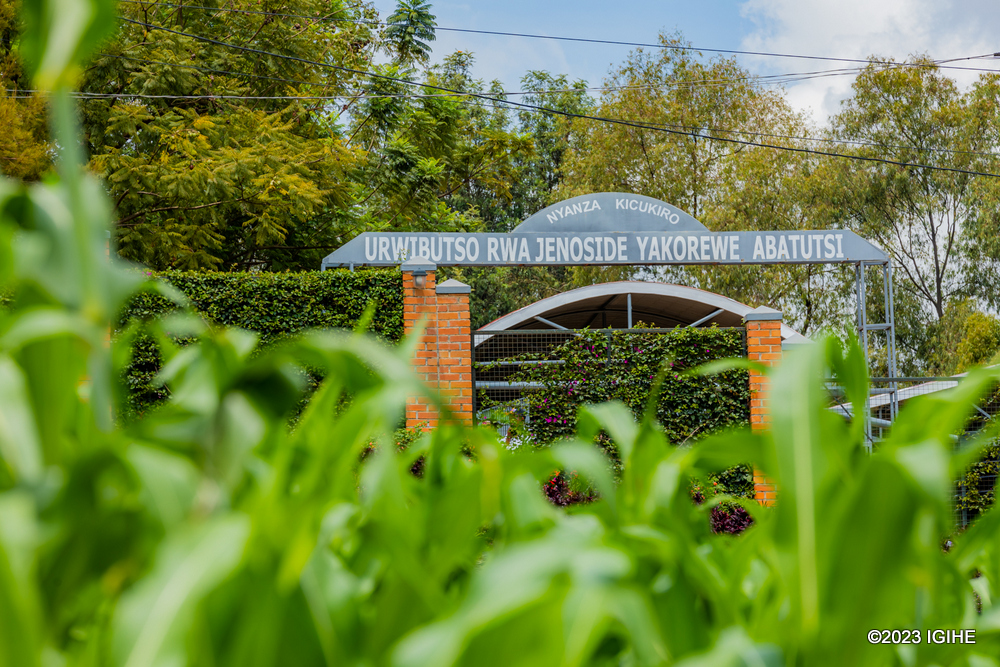
Nyanza Genocide Memorial
The Nyanza memorial commemorates the deaths that followed the withdrawal of UN peacekeepers from ETO on 11th April 1994, an event that left hundreds-to-thousands exposed and then massacred. The site is a place of remembrance, education and local commemoration, used each year during Kwibuka (national remembrance) and by schools, community groups and national bodies to teach about the genocide and to honor victims, and it contains mass graves, monuments with victims' names and a Garden of Memory; it is used for remembrance, survivor testimonies and education.

Kigali Genocide Memorial (Gisozi)
The main national memorial and education centre in Kigali. Exhibitions document the genocide, house survivor testimony and archives, and it includes gardens, a children's memorial and mass graves. Managed with international partners to provide education and support to survivors.

Ntarama Genocide Memorial (Ntarama Church)
The church-turned-memorial contains shelves of human remains, clothing and personal items; it documents one of the many church massacres during April 1994 and serves as a stark educational site.
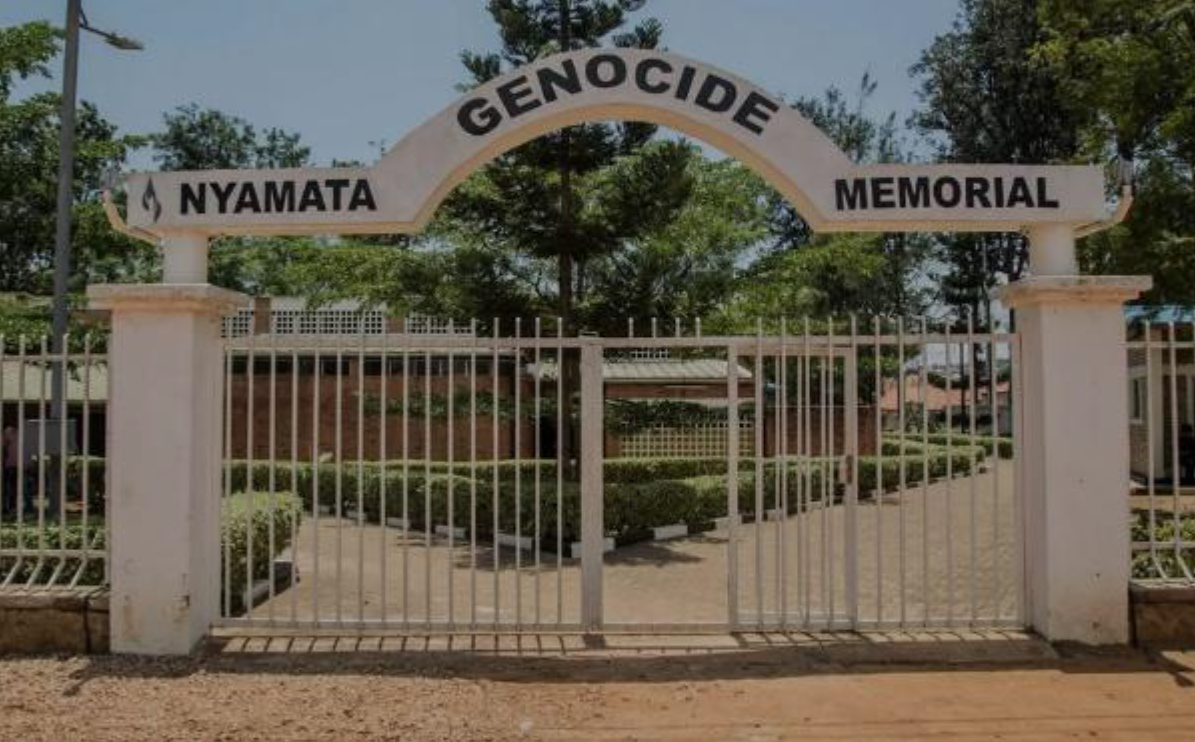
Nyamata Genocide Memorial (Nyamata Church)
The former Catholic church where thousands sought refuge and were massacred; the church interior preserves clothing, belongings and other evidence, making it a powerful witness site. It preserves the church largely as it stood after the killings: bullet-marked walls, blood-stained altar cloths, pews piled with victims' clothing, and mass graves behind the church compound.
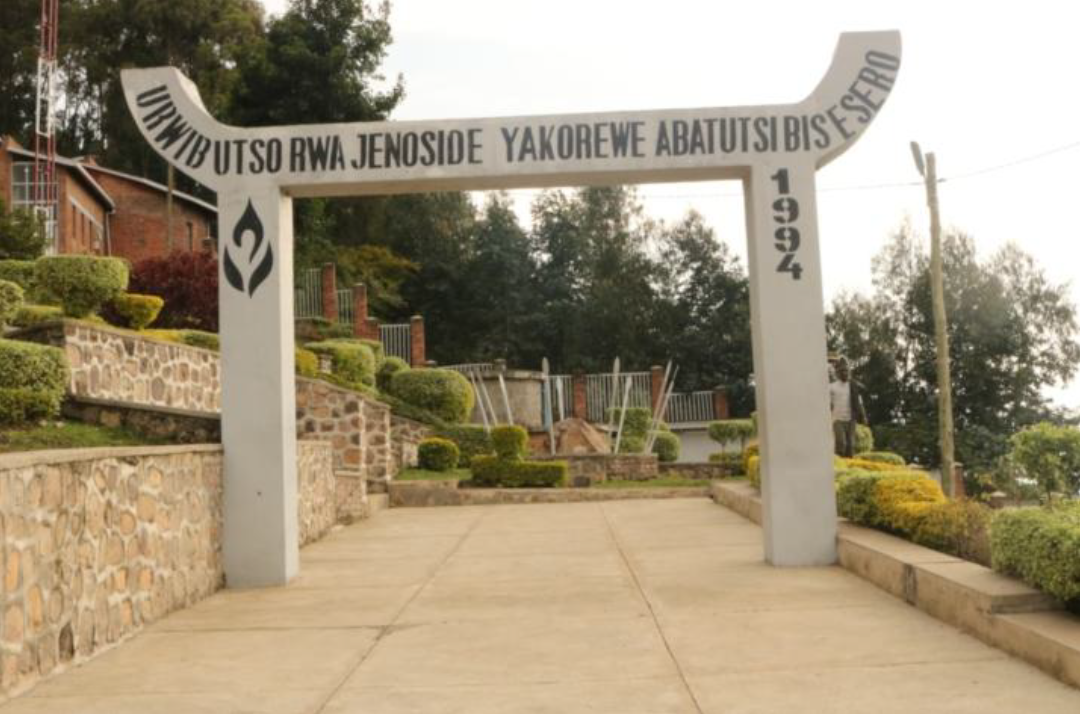
Bisesero Genocide Memorial
The area is notable for organized local resistance where Tutsi tried to defend themselves, it stands out for the two-month resistance by Tutsi civilians who fought back with traditional weapons (machetes, spears) before being overwhelmed; it is remembered as both a site of massacre and of courageous resistance.
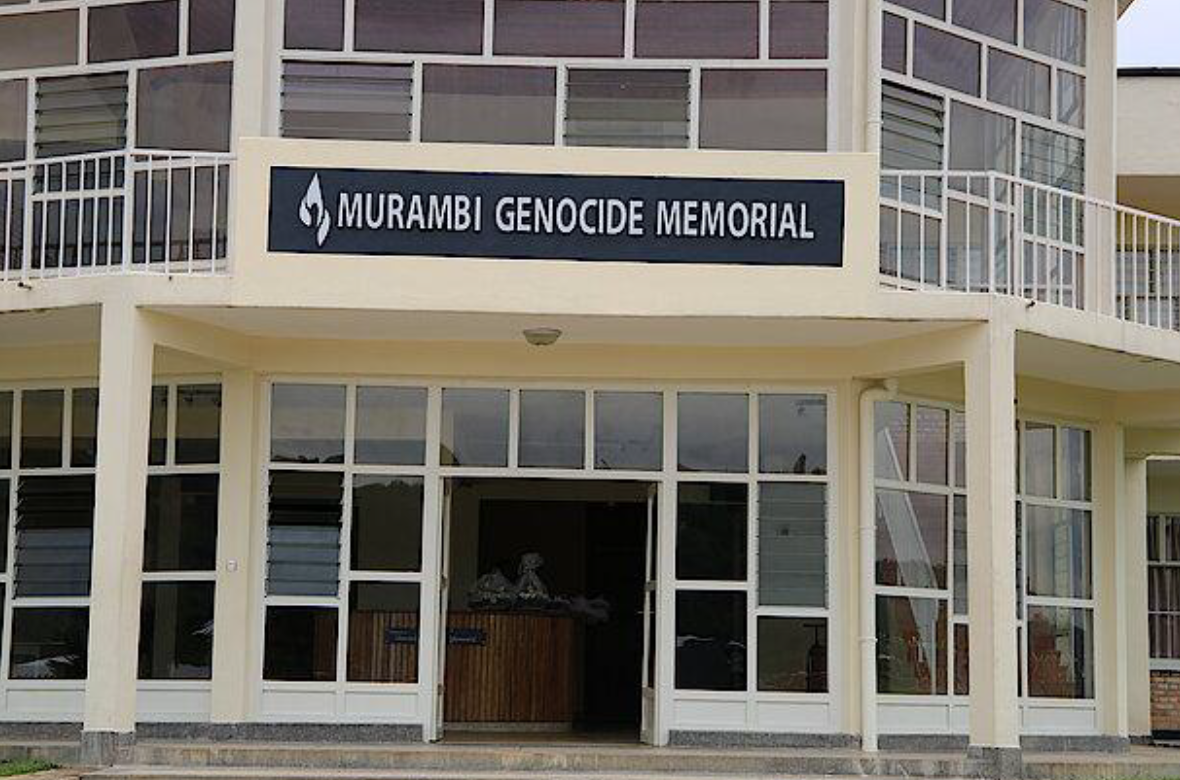
Murambi Genocide Memorial (Murambi Technical School)
Its preserved classrooms that display victims' remains and belongings; one of the most powerful and striking museum-style memorials documenting the brutality of the massacres.

Nyarubuye Genocide Memorial
A national memorial site commemorating the Nyarubuye genocide with educational and remembrance facilities.
About Memorial Sites
Memorial sites across Rwanda stand as permanent reminders of the 1994 Genocide against the Tutsi. These sacred places honor the memory of those who perished, provide spaces for reflection and healing, and serve as educational centers to ensure that future generations understand the consequences of hatred and division.
Each memorial site tells a unique story and plays a crucial role in preserving history, promoting healing, and preventing future atrocities.
Honoring the Victims
Dignified resting places
Healing & Reflection
Spaces for peace and healing
Education & Awareness
Teaching future generations
Prevention & Unity
Promoting unity and peace
These memorial sites are open to visitors who wish to pay their respects, learn about Rwanda's history, and reflect on the importance of peace, unity, and human dignity. We encourage respectful visits and adherence to site guidelines to honor the memory of those who perished.