
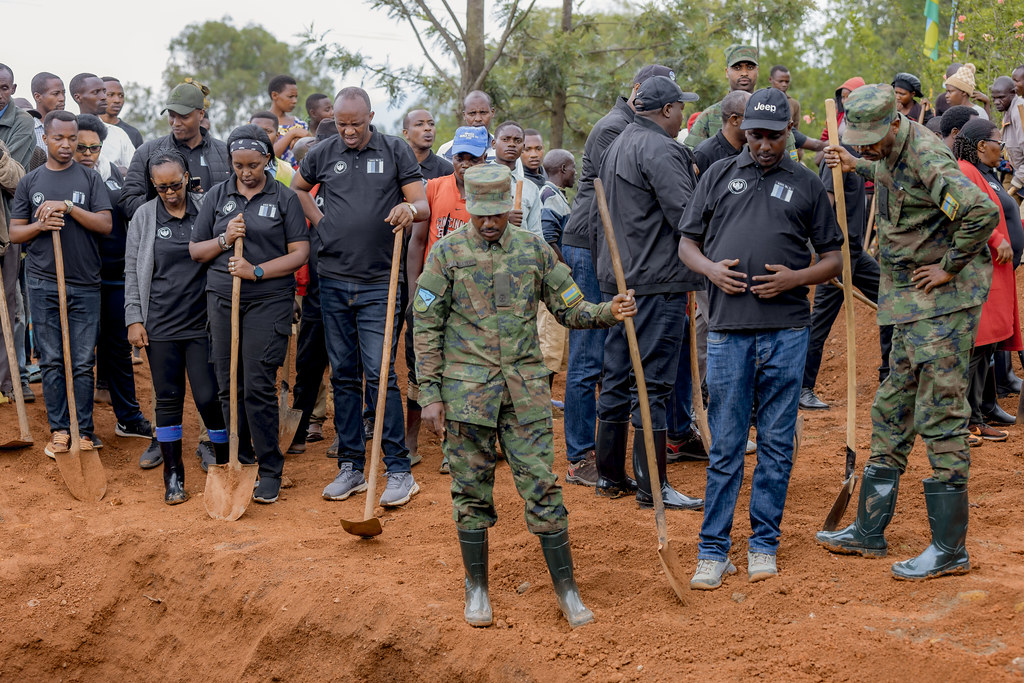
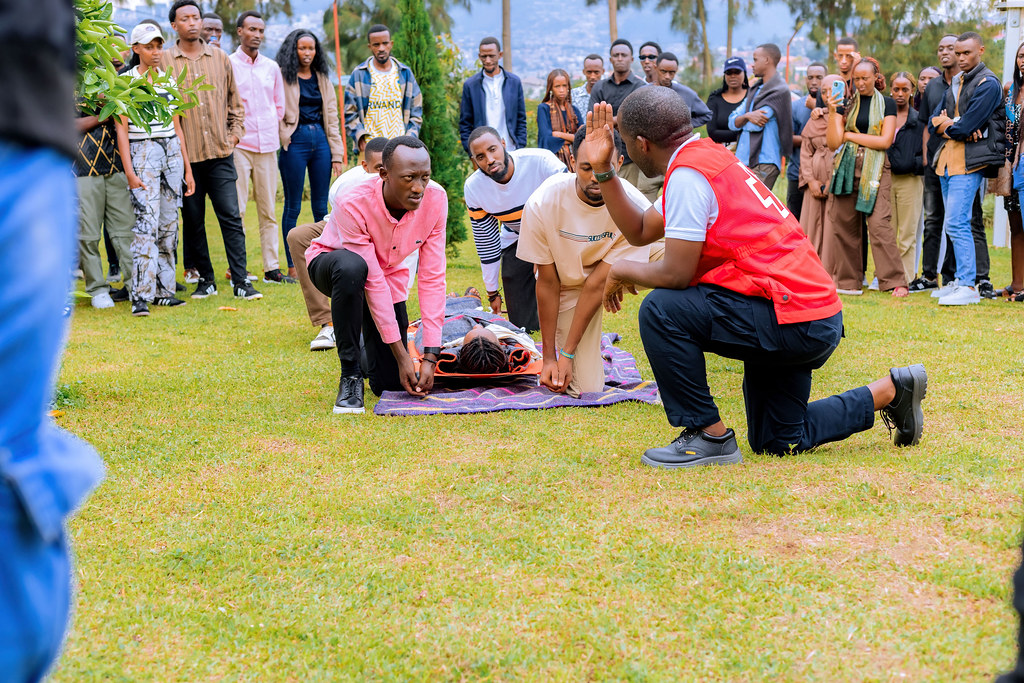
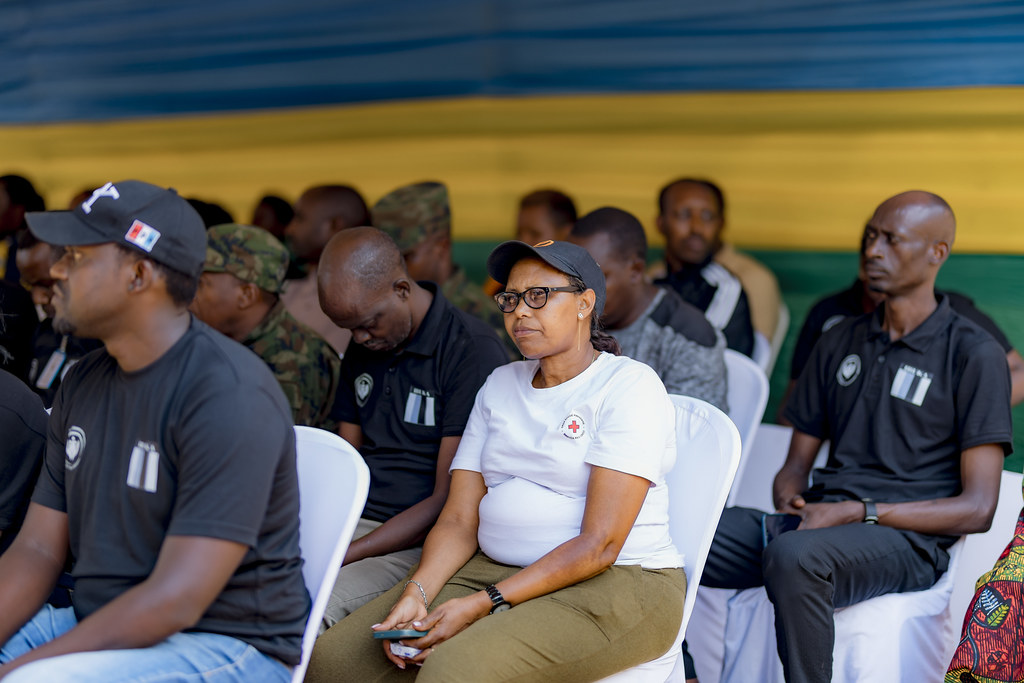
IBUKA—meaning "Remember"—is the principal umbrella organization representing genocide survivors in Rwanda. Established as the collective voice of survivors, IBUKA unites survivor-led associations, advocates, partners, and individuals committed to preventing genocide and supporting national healing.
IBUKA is an independent, non-profit, and non-governmental organization founded on December 14, 1995, and legally recognized by the Government of Rwanda in 2001 as an autonomous civil-society institution dedicated to addressing the effects of the 1994 Genocide against the Tutsi and contributing to the rehabilitation of survivors and the reconstruction of Rwandan society.
Survivor associations were formed progressively to respond to the evolving needs of genocide survivors:
- AERG (Association of Students Survivor) was established on October 20, 1996, to unite young survivors still in school through education, advocacy, trauma support, and solidarity.
- GAERG (Graduate Genocide Survivors Association) was formed in June 2003 as an organization representing university graduates focused on healing, community development, socio-economic empowerment, and strategic survivor support programs.
On December 8, 2024, survivor organizations—including AERG, GAERG-AHEZA, and IBUKA 1995—strategically merged into one unified institution, retaining the name IBUKA. This merger was undertaken to strengthen unity, consolidate survivor advocacy, enhance operational efficiency, and improve coordination in addressing the long-term impacts of the genocide in Rwanda and abroad.
Guided by the belief that remembrance is the foundation of sustainable peace, IBUKA bridges history with the future—protecting survivors' dignity while ensuring that future generations live in a united society grounded in peace, accountability, and shared humanity.
IBUKA's work is structured around four enduring pillars:
- Justice — Defending survivors' legal rights, strengthening accountability, and fighting genocide denial.
- Memory — Preserving historical truth, honoring victims, sustaining remembrance, and protecting collective heritage.
- Peace-building — Promoting unity, reconciliation, trauma-informed dialogue, and conflict prevention.
- Survivor Support — Advancing social welfare, psychosocial healing, mental health resilience, community solidarity, and socio-economic empowerment.
IBUKA continues to serve Rwanda and the global community with unwavering commitment to preventing genocide, addressing its effects, restoring survivor dignity, and contributing to a resilient and peaceful society where the past informs a united future.